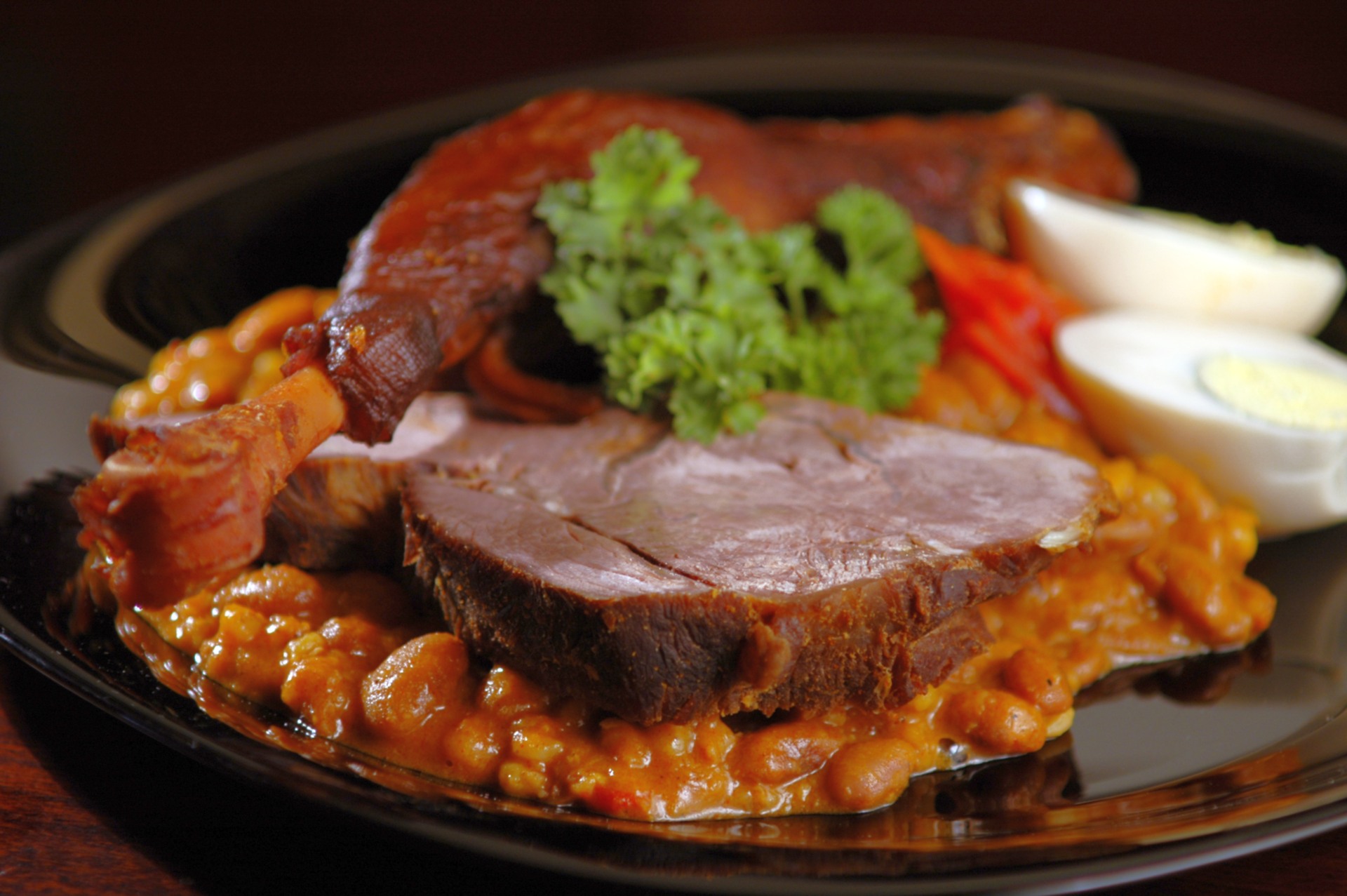
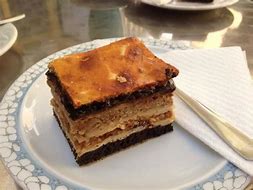
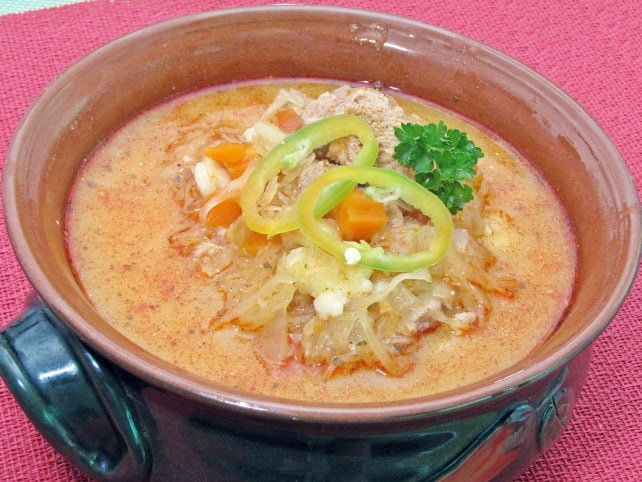
“Q” & “A” … Turkish and Hungarian tastes are similar?

Indeed, the tastes of Turkish and Hungarian cuisine are very similar. Maybe the Turks ate and still eat a little lighter food, more sour soup and sour food, which is mainly due to their climate, but they basically prefer paprika, sturgeon, juicy dishes, even vegetables, and throughout the years the Hungarian gastronomy become pretty close to the Turkish cuisine.

Turkish Red Lentil Soup – Török Lencseleves

Whatever the season and whatever the time of day the original Turkish Lentil soup being red or green lentil is popular in the Hungarian kitchen. As long as having some lentils in the cupboards can always rustle something up. Indeed the Red Lentil is full of Nutrition… there’s certainly no need to feel guilty about what you’re about to eat, either, when you’re making red lentil soup. These colorful little discs  have lots of healthy benefits. They’re gluten free, virtually fat free and low in calories. They’re high in fiber, high in protein, Vit. B and potassium and they’re also a good source of iron.

Receipt – Ingredients for 4 persons – 1 cup red lentils (approx 150g), 1 large onion, finely chopped, 1 large potato, scrubbed and roughly chopped, 1 large tomato, roughly chopped (or 1 – 400g can), 1 dessert spoonful chili flakes, pinch of cumin, salt and pepper to season.

Cooking instructions – In a large pan, heat the olive oil, but not too hot. Add the potato and onion and keep stirring for a few minutes over a low your chopped tomato, chilli paprika and cumin and stir. Now add two mugfuls of hot water or stock, salt and pepper and stir everything together. Served within 50 mins.

Stuffed Cabbage – Töltött Káposzta

The idea of using minced meat is a legacy of the Turkish/Ottman times.  the seuerkraut culture is originally related to Germans/Schwabs living in the country and so now talking about a fusion dish that is now classic Hungarian.

Cabbage leaves wrapped around a meaty filling, then cooked/baked in a sauce are a common item on the tables. Also popular throughout Eastern Europe.The Hungarian version seasons the stuffed cabbage rolls with paprika powder an simmers them on a bed of flavorful sauerkraut.

Receipt – Ingredients for 4 persons – 500g sauerkraut + some pickled cabbage leaves, 2 tbs oil or lard, 2-3 onions, finely chopped, 300 g minced por kor poultry meat, 100 g rice, half-cooked in boiling salt water or just add to the  raw meat, 2 tbsp sweet red paprika powder, 1 tbsp salt, freshly ground pepper, sour cream to serve. Taste more creamy and tasty with 4-5 garlic cloves.

Preparation time: 5 mins. Cooking: cca. 120-180 mins.

Cooking instructions: Wash the seuerkraut in cold water, need not have to soak it, only test it if it is not enough sour. Squeez dry and set aside. Saujté 1 onion and garlic in oil, until the onions are lightly colored. In a large mixing bowl, combine the meat, rice, 1 tbsp paprika, the onion mixture, salt, black pepper. mix well with a fork. Place  2 tbsp of the stuffing int he center of one of the cabbage leaves and begin with a thick end of the leaf, fold over the sides, then roll the whole leaf tightly. Repeat with all the leaves until all the stuffing has been used. Chop the rest of the onions finely, and sauté in a casserole in oil at medium heat until little brown. Then remove from fire, season, add black pepper and 1 tbsp paprika power. Add some water (not too much, does not have to cover the whole cabbage leaves) Add 2-3 bay leaves. Bring the liquid to a boil, then cover the pan and cook the stuffed cabbage over low heat for at least 1 to 2 hours.

Tips and hints – Use lard and/or some chopped bacon and use the fat to sauté your onion. Season meat filling with some chopped fresh majorana or dill. Spread the sauerkrauft on the pan’s bottom and arrange the cabbage rolls on top of  each other.

The stuffed cabbage is not really a summertime food (a little heavy) Hungarians often eat it during the the winter seasons holiday. The already cooked stuffed cabbage can be kept very long in the fridge for a week or two. In fact the more reheated the better it gets.

Sajtos Pogácsa – Hungarian Cheese Puffs 

The pogácsa is one of the oldest and most famous baked food in Hungary.

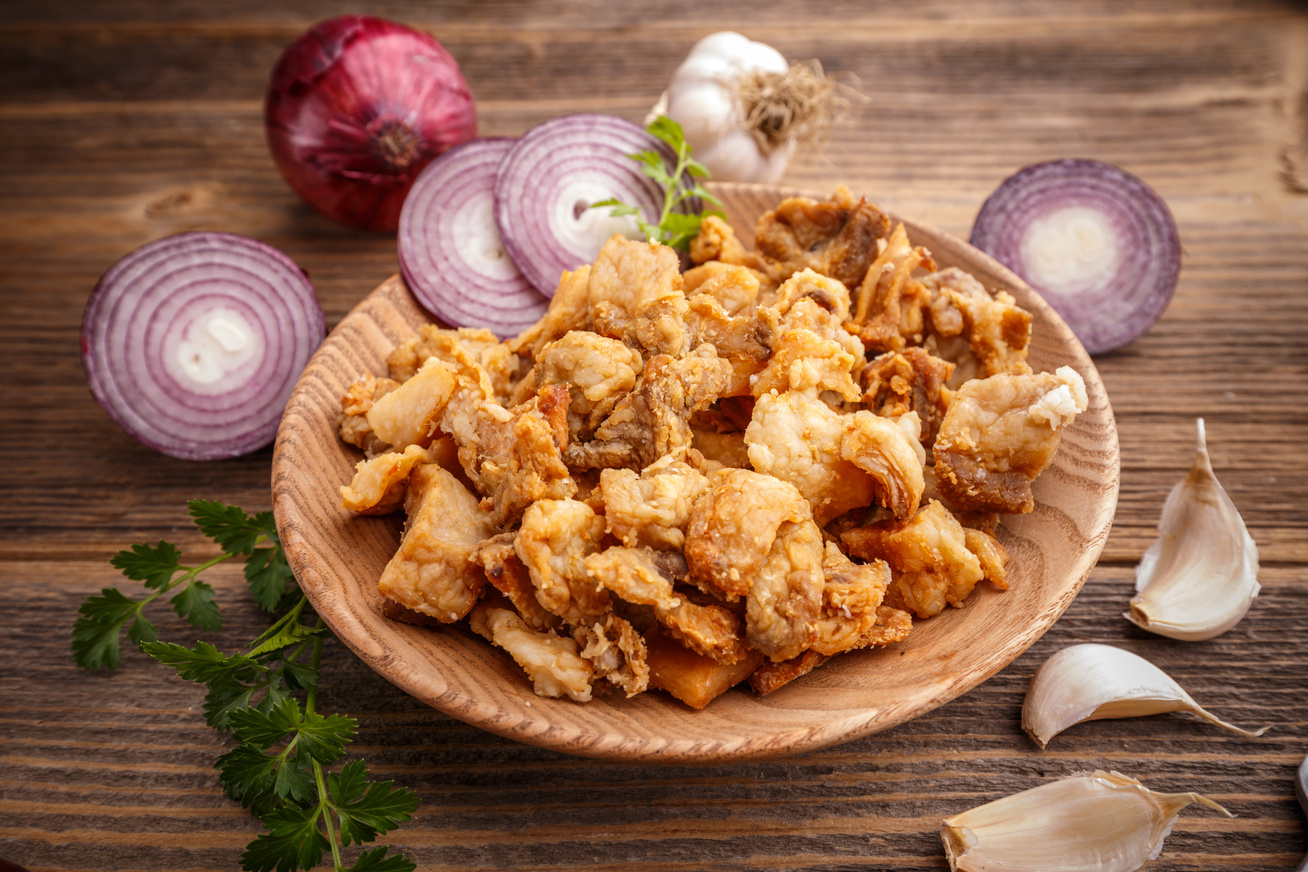
In several restaurants, pubs and other restaurants there is already fresh plain or cheese puffs – Pogácsa as welcoming the guests brought to their table. It is also an ultimate crowd-pleaser at social gatherings. The Turkish call it Poğaça. Pogácsa can be made with cheese, sour cream, cottage cheese, crackling, cabbage, butter, fat, seeds, potato, onion, leek etc.

Receipt Ingredients:  500 gram flour , 1 package dry yeast  cca. 7 gram, 1 tsp sugar, 1,5 dl warm water, 200 gram butter, 1 tsp salt, 2 eggs – divided to yolks and egg whites, 1/2 cup plain yogurt, 250 gram shredded cheese – also may use smoked cheese or cheddar.

Baking Instructions: I pour the flour into a large bowl, add the sugar, salt and eggs. By putting the eggs in it, we leave little and smear with the remaining eggs before placing in the oven. Stir in the margarine and sour cream at room temperature, then finally add to the flour. Allow to knead and rise for about 1/2 hour. After resting, fold three times every 20 minutes, then stretch to about 2 fingers thick, grease with beaten eggs, grate with a knife, sprinkle with grated cheese and form small round circles. To get started, put  the backing pan into the cold oven. To bake at 200 C degree, ready in 30 minutes.

©Aggie Reiter

Herald News: Gyula Castle Bath Reopening!

During the period to the forced shutdown the exhibition venues and the numerous accommodations of the city is getting back on its tracks. The spa has undergone a number of renovations and maintenance to receive guests wishing to relax with appropriate security measures. The Gyula Castle Bath and its venue will be wide open also to the domestic tourism.

Herald News: With the further easing of the measures was announced due to the corona virus epidemic on May, 14. 2020., that the Gyula Castle Bath will open its doors and receive its guests again from Saturday, May, 30. 2020. Indeed it was a long in waiting to reopening one of the best thermal bath in Hungary at the City of Gyula.

Again the guests who wish to relax, enjoy the full range of services with the right security measures Gyula can finally show itself and its values to their visitors enjoy it in the safest possible conditions. That is why they also ask their guests to kindly cooperate in order to protect the health of visitors and their colleagues.

The spa will be open daily from 9 a.m. to 6 p.m. with the necessary restrictions. Entry is possible at the Stone Bridge. The operating pools: the Children’s Water Paradise will be for the time being without the usual experience elements. The wave pool without the waves, the slide pool with slides and the water trail. Most of all the pools can be only operated with a capacity.

Admission can be purchased at unit price of 990HUF, under the age of 6 is free.

©Aggie Reiter

Under the 150 years of Turkish rule had the greatest influence on Hungarian gastronomy.

During the Turkish occupation, countless, previously unknown flavors entered Hungarian cuisine.

If we approach from the side of gastronomy in the 16-17. century history, meet positive effects with countless, previously unknown flavors and its development of today’s culinary culture.

Hungarian eating habits during the Turkish occupation were characterized by the fact that the dishes were prepared with butter, many dairy products were in use and the dishes were very seasoned. Cooked pasta and dumplings were added as a side dish or used in soup. Among the dishes were pies, sausages, sausages, jellies, donuts, pancakes, and strudel. The cooking methods included grating, pickling, stitching, draping, ablation, steaming, toasting. In the Turkish occupation areas naturally the Turkish culinary culture came to the fore, using the characteristics of Turkish cuisine. We took the patties, flame, bejglit and stuffed cabbage from the Turks. Parsley, cumin, anise and horseradish are among our herbs inherited in our kitchen. Among the sweets, they brought barbecue, cakes, sponge cakes, bird milk, gingerbread, Turkish honey and its typical coffee. Then poppy, tomato and eggplant appeared. Turkish influences began to grow almonds, cherries, figs, nuts, grapes, peaches and cherries in Hungary. Pepper has become an indispensable element in Hungarian gastronomy through Turkish mediation. It has enriched our nutritional culture, has resulted in many common meals, and as a result, the Turkish-Hungarian tastes are quite close to each other. All-in -all, we can say that in the Hungarian nutrition culture by the Turkish influence has brought about significant changes that are still effective.

Regarding the consumption of meat, the pork has become increasingly popular in Hungary in the 16th century, as pork was not consumed by Turkish soldiers, so it could remain intact even during looting.

Meaty and rice dishes: Basically the shepherd’s dish into the Hungarian cuisine came from the Turks. These foods are mainly porridge and pasta dishes, lentils, sturgeon, egg barley. The pilau – rice and meat, biber – stuffed peppers, stuffed cabbage became our favorite food during the occupation and still today in the XXI century. Both peoples are well-known for their meaty buns, the only difference is that Hungarian cuisine pork was in use as the filling. Among the most well-known dishes of Turkish cuisine are the dishes stuffed with cabbage or rice in vine leaves which are available in tins at the local stores.

Sweets: From Turkish times, our cuisine becomes “sweeter” and finds its place in Hungarian cuisine with brittle cake, brioche, bird milk, honey brioche, turkey honey or quince cheese. Also arriving in the Turkish mediation the poppy seeds which later became in the Hungarian pasta and cakes, cakes.

Regarding to the Hungarian pastries, the „pogácsa” pastry (based on rather salty soft snack) and since the word itself is of Ottoman origin (called then Baghja), we have reason to believe that it was already known to the conquering Hungarians, only amplified by the Ottoman-Turkish era. Turkish honey was originally an Armenian sweet, but it came to us through the mediation of the Turks.

Turkish herbs and vegtables: Also played a significant role in Hungarian gastronomy. At that time it became an indispensable spice for peasant cuisine, but now-a-days these spices make our food even more colorful. Eggplants have been native in-and-around the Mediterranean and the Balkans since the 17th century, but to Hungary came through the Turkish mediation, which is a.k.a.  Turkish paradise.  One of the best known dishes made of it was the stuffed eggplant called “töltött padlizsán” “imam bayıldı” – “imam fainted”. Cannot skip to mention the seasoning with Turkish mediation includes sage, juniper, rosemary, thyme, peppermint, parsley, pepper, various onions, horseradish and saffron. The spread of maize in Hungary can be attributed to the Turks as well. Among the most well-known and favorite by many is cabbage stuffed with meat and/or rice in vine leaves.

Turkish Fruits: The influence may be also better discovered in the fruits that come to our land … apricots, strawberries, figs, medlar and Mediterranean plants and without them unimaginable in to-day’s Hungarian gastronomy.

We can see that in addition to our food, fruits and spices, the Turkish presence has influenced the long-term formation of our Hungarian dishes. Originally a fermented beverage made from millet, later made from different cereals, boza are very popular in Hungary. In addition to boza, the Turkish coffee as their traditional drink, appears in our country in the 16th century, and many people still to-day prefer to drink Turkish coffee. In the 15th century, like bozo, coffee was used as a medicine in addition to its enjoyment which shows an inpact to the Turkish presence and in our daily drinks.

Some recipes will be shared later, which we still consume to this day.

© Aggie Reiter

King Matthias Renaissance Era Cuisine

The reign of King Matthias (1458–90) was a high point in Hungarian history, for both culture and food. Hungarian cuisine underwent a huge change in the 15th century when King Matthias ascended the throne and married his second wife Beatrice, daughter of King of Naples. Through his Italian wife, Queen Beatrice, King Matthias brought Italian cooking to Hungary. The Hungarian cuisine has been enriched with the sophisticated methods of Italian Renaissance cooking. During this period, cooking was raised to a fine art. As being Italian she cherished the Renaissance culture and also brought chefs from Italy to the court.

Many kinds of fish were served in Matthias’ court. The most popular fish included pike, ling, eel and trout. Meats include beef, sheep, domestic and wild pigs, goats, deer, deer, rabbits, geese, ducks, prisoners and pheasants. Fat peacock meat was very a popular delicacy.

Likewise, the new seasoning flavors, bringing new cooking techniques and ingredients. King Matthias was the one who brought and planted across the country the Burgundy wines … but that is another historical chapter.

Many of Matthias’ reforms, such as the central courts and treasury offices, and also the gastronomy in the era’s new ingredients such as sweet chestnut, garlic, mace, saffron, onion, breadcrumbs, pasta and cheese were introduced, while the use of fruits were also cooked with meat. Just as well used as fruit stuffing in the meat. From this era was inherited  along the way to today’s as part of the Hungarian cuisine.

A peck into King Matthias and Queen Beatrice one of their favorite meals.

The feast of King Matthias was gray beef salami, spicy mangalica sausage, goose crackle, smoked peasant ham, goose liver mousse. Mostly of all the fish meal could not be absent from the table. Sirloin with potato crisps. Homemade plum strudel with brandy prunes ragout. 

One of the feast of King Matthias – Fish Soup 

The fish soup is a hot soup prepared with mixed sweet river fish on a paprika/ onion stew. Nowadays every region in Hungary has its own fish soup recipe.

About 1 kg slices of different sort of whitewater or lake fish … carp, catfish, zander … Salt the fish prior 1 hour before cooking. May cut the harder fish meat pieces smaller, softer pieces can be left bigger.

Ingredients: to 4 persons: 1 tbs oil or lard. 2 onions (palm hand size). 3-4 cloves of garlic, 2 tbs tomato puree, 2 liter water, 2 tbs sweet red paprika powder, 1 hot dry chili pepper, salt to taste. Preparing time from 6 to 12 mins.

Cooking: Chop the onions finely, start sautéing them in oil together with crushed garlic. When soft add half of the paprika to it. Pour in water.Add the fish slices and pieces to it. Bring to a boil. When it is boiling ad the other half of the grounded paprika powder, the tomato puree and chili. Don do stir the soup, only sake it with carefully, so the fish pieces do not break. Salt to taste. Cook it for 2 to 4 minutes until the fish is cooked and the soup gets thicker … the soup is always served with fresh white bread. Best will be to add some chili at the end to have a kick.

The feast of Queen Beatrix – Beef soup with its own meat. Grilled Balaton tooth fillet with jasmine rice. Somló dumplings.

One of the feast of Queen Beatrix – Tooth Fillet

Ingredient:  4-6 tooth fish fillets, about  ½ kg – 1 kg (1 lb), but could be a little over a pound)1 cup milk or buttermilk, Salt, 3/4 cup fine cornmeal (do not use coarsely ground cornmeal), 1/2 cup flour, 1 tsp. garlic powder, 1 tsp. black pepper, 1 tsp. paprika, 1/2 tsp. cayenne, 1/4 tsp. celery seed, Oil for frying (use peanut oil if available). Prep time: 15 mins. Cook time: 15 mins. Served to 4 person.

Cooking: Heat oil in pan, heat warming oven. In a heavy frying pan (prefer cast iron), pour enough oil to come 1/2 inch (one-and- a-half height up the sides of the pan. Heat the pan on medium-high. Heat your oven up to 9°C (200°F) and lay a cookie sheet inside. Place a wire rack on top of the cookie sheet. Soak catfish in milk or buttermilk: While the oil is heating, soak the catfish in the milk or buttermilk. Mix together cornmeal, flour, spices for dredging: Mix the cornmeal, flour and spices together. (Or substitute to favorite seasoning instead.) Place in a shallow dish for dredging. Dredge fillets in flour mixture, then fry in hot oil: Let the oil reach 180°C (350°F) — a good test is to flick a little of the dry breading into the oil, and if it sizzles at once, you nailed it. Once the oil is hot, sprinkle the catfish fillets with salt and dredge them into the breading. Shake off the excess and gently lay into the hot oil. Fry until golden brown, about 2-4 minutes, depending on how thick the fillet is. Use a metal spatula and gently turn the fish over and cook for another 2-4 minutes. Cast iron heats up and stays hot, so monitor the heat as frying. May need to lower the heat on the burner at some point. Keep cooked fillets warm in oven. Once the fish is ready, move it to the oven while cooking the rest of the catfish. Keeping the fried catfish warm in the oven will help keep it crispy. All done, serve at once with your favorite hot sauce, cole slaw or whatever suits the taste of the individual.

© Aggie Reiter

A 1000 Year History Cuisine of Hungary

Where do we place middle age in history cuisine?

(We place it at this time of Stephen I, a.k.a King Saint Stephen (Hungarian: Szent István király)  born 975 – 1038 AD (The year of his birth is uncertain). Was the last Grand Prince of the Hungarians between 997 and 1000 or 1001, and the first King of Hungary until his death in 1038.)

In the Middle Age period, at the time of King Saint Steven era the cooks were respected artisans and evolved the cuisine of Hungary. At the palace and at homes the meat dishes made from pork, poultry, beef, duck and goose were consumed. Mostly the fish-based dishes were highly popular. At the time being at the Buda market offered food products, ingredients and variety of herbs and spices from far lands (these were the times when the Hungarians meals were cooked with the new ingredients available. The birth of the Goulash (Gulyás) soup was indeed a melting pot, spirit of its original Magyar folks who combined the heavy soup  with several ingredients to their own taste.

The original  Goulash was being prepared by itinerant cowherds or shepherd,  cooked in cast-iron cauldron (bogrács) over an open fire with ingredients they carried in their saddle-bags, such as onions, cured bacon, lard and millet. Whenever one of their animals was too weak to go on, or they had the good fortune to come across a wild pig, they would kill it and add its meat to the pot. This become national speciality  with a number of alternative variations.  The Hungarian paprika, which was only added early in the 161th century after the arrival  by explorers who brought hot and spicy peppers (capsicum annuum) from Central Mexico to Spain. The Hungarians were fond of the paprika and kept in use as dried, crushed and made into a spicy powder.  Added addition of tomatoes during the first half of the twentieth century with potatoes or noodles to modern adaptations. The thick soup is often eaten as a main course. It is served with thickly sliced dumplings, or with csipetke (egg noodles). The history of goulash illustrates it is that it is really no one’s. Rooted in the restless wandering of medieval stockmen, always been a dish without borders.

The recipes are for portion/person 3-4 dl (1 and ¼ – 1 and ¾ cups).

Ingredients: 360g (2 and 1/2 cups) cubed beef, 80g (5 tbs) lard, 150 g (7/8 cup onion, 15 g (1 tbs) paprika, salt, garlic, caraway seeds, 800 g (1 and ¾ lb) potato, 3-4  red and white carrots, 140 g (1 cup) green pepper, 60 g (1 small) fresh tomato.

Slowly simmer for cca  2 and a 1/2 Hs. The Hungarian goulash soup is often served in a loaf and the loaf can be eaten as well.

Steps to make it  … chop the veggies and cut the meat about the same size. Chop the onion finely – start to sauté in oil on high heat until it starts getting soft but not brown. Remove the pot from the fire and add the paprika powder. Pour some water in the pot but always just a touch. The goal is to make a ”pörkölt” – stew base Add the mat and the spices (salt, pepper, caraway seeds (cumin seeds will do as well), bay leaves. Turn around so that they are covered with the „pörkölt” sauce. Keep cooking for an hour. When the meat is half cooked add the veggies and mashed garlic, spices (in the absence of stock bouillon cubes may be used) and keep cooking. When almost cooked, add twice as much water to the „pörkölt” base, lower the heat, cover and slowly boil. Keep adding water as necessary as the soup simmers.

Csipetke  – egg noddle – pinched pasta: cca. 15 mins. before finishing add the „csipetke” – means pinched dumpling. It is a stiff dough from flour, egg and salt. Make it fresh or buy ready-made dried version if available at your end.

If possible cook the soup in family size „bogács” (round metal pot which gives an authentic air to the table serving… in the absence of stock bouillon cubes may be in use. The Hungarian goulash soup is often served in a loaf and with the fresh loaf is simply delicious, and can be eaten as well.

Many folks knows that macaroni is Italian.

The Austrians in Vienna have tasty schnitzel

The French eat frogs

Hungarians are fond of their traditional Goulash thick soup

© Aggie Reiter

Cook your own Goulash Soup and would like to hear your own feedback …Tks.

“Q” & “A” … Hungarian cuisine – historical retrospection overview throughout a thousand years.

(When countless countries in the world have to go through difficult times to stay at home, therefore the http://www.rollinginbudapest.com bring up some Hungarian gastronomy facts to read and perhaps get the urge to prepare previously unknown flavors during and/or after this period ends … Change is Gonna Come.)

Where does the Hungarian cuisine come from – historical retrospection overview throughout a thousand years.

In historical retrospect through the centuries often extend far beyond borderland regions. The history of Hungarian cuisine is nothing more than a nutritional development that accepts good ideas, combines and includes dominance … the synthesis of ancient Asian nomads, German, Italian, Slavic, Turkish, Jewish, Austrian and French gastronomy. The food culture spread rapidly when something is delicious, people tend to jump on it quickly.

Overview in era’s to the different empires and nations gastronomy upon to-day’s traditional Hungarian cuisine. Before heading along have to go back in time … whereas … the Hungarians as so called Magyar when in era of 896 started to move from somewhere around the Mountains of Ural. Primarily on the time mean, their food was based on the nature of environment, on fish, meat; veggies, wild fruit and diary products.

Middle Age – King Saint Steven era (1000-1038) who founded the Kingdom of Hungary was a really a great gourmet. He was a Bavaria, and the German cooking, baking methods open to spread throughout the foundation of the Hungarian regions. The Hungarian cuisine were the combination of  Eastern and Western gastronomy traditions. The livestock in general reflected in the home made dishes, meat of Hungary such as: poultry, sheep, fish, goat, pork and beef.  Some recipes will be uploaded later, which we still consume to this day.

Hungarian cuisine underwent a huge change in the 15th century when King Matthias ascended the throne and married his second wife Beatrice, daughter of King of Naples. She was Italian cherished the Renaissance culture and also brought chefs from Italy to the court. Likewise, the new seasoning flavors, bringing new cooking techniques and ingredients. King Matthias was the one who brought and planted across the country the Burgundy wines … but that is another historical chapter. Some recipes will be uploaded later, which we still consume to this day.

The gastronomy in the 16-17th. century during the Ottoman Rule meet positive effects and the development of culinary culture basics very well in many cases regarding to our coexistence with the Turks for over 158 years which represented an essential stage in the formation and development of the Hungarian dishes of to-day. The Turkish influences brought new flavors into the Hungarian Kitchen.

Upon the Habsburg influence culture and gastronomy during – Austro-Hungarian Monarchy in the 17th century. The Austrian cuisine often became into play visa-versa. For the Hungarians beside many other inherited cuisine the spread of Wiener schnitzel made it’s way into home made foodies around Hungary. The Austrian desserts have lived through the 17th century and welcome the sweet tooth individuals throughout the cake shops in Hungary. Some recipes will be uploaded later, which we still consume to this day.

USSR invaded in 20th century Hungary for over 50 years. Most of the dishes were simplifications of  French, Russian and Austro-Hungarian cuisines. The meat-onion-sour cream dish with salted cucumber called Stroganoff a.k.a Beef Strogonov style with mustard (based on French and Russian gastronomic traditions) was just one of the popular dishes  throughout Hungary at Restaurants. Some recipes will be uploaded later, which we still consume to this day.

But before heading into some detailed, to-day’s real traditional Hungarian food receipt, for example, eating a form of goulash that has been for over a thousand years and dishes like Stuffed Peppers originated from the Turkish and so forth, indeed have to mention the influences in cuisine gathered from the neighboring countries everyday food.

Slovakian – Strapačky “brynzdové halušky” a salty sheep’s cheese. In Hungary known “Sztrapcska”  which is traditionally dumpling accompanied with sheep curd,  local equivalent to the Slovakian bryndza cheese. Some recipes will be uploaded later, which we still consume to this day.

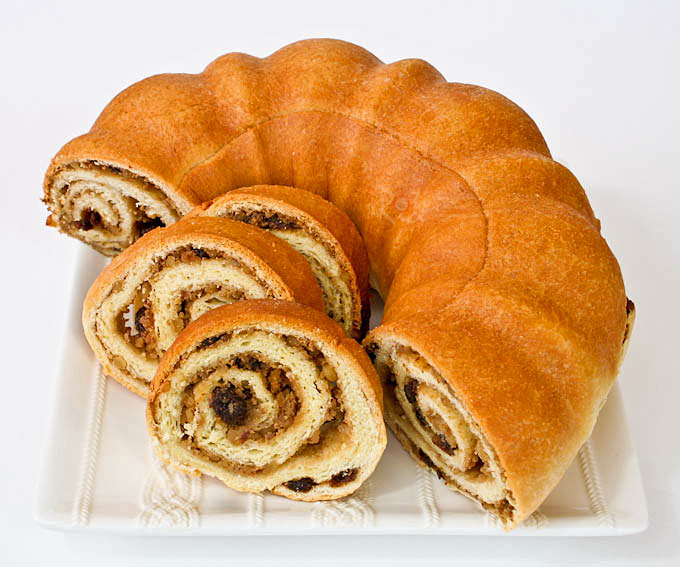
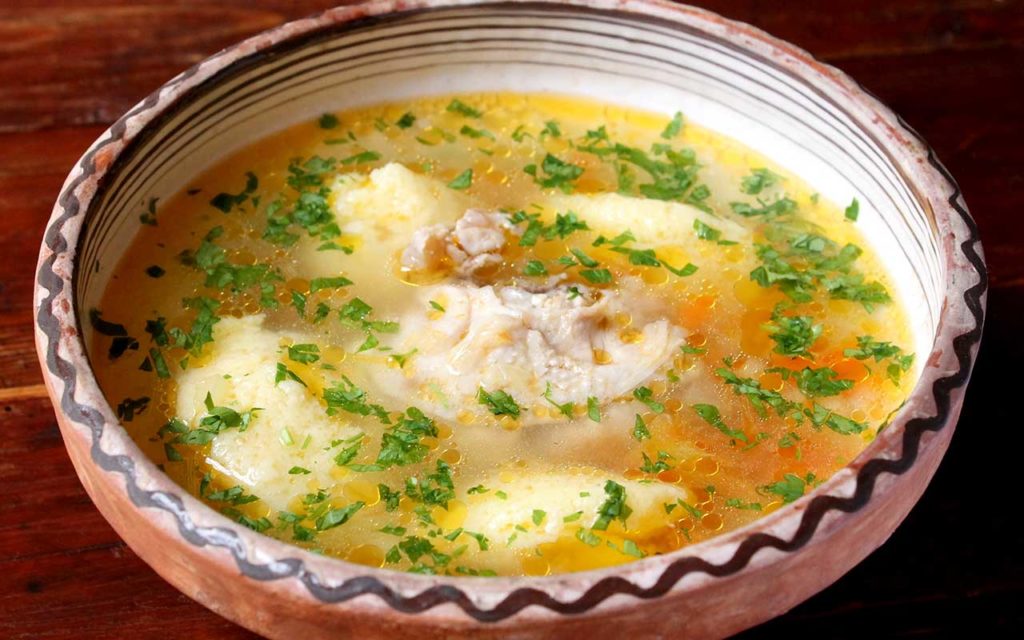
Transylvanian cuisine  came the great value of lard, which was and still popular eaten with onion, garlic and raw or pickled cucumbers, or the chicken broth with handmade noodles flavored with paprika and the Kürtőskalács (chimney cake) and countless meals from the area. Some recipes will be uploaded later, which we still consume to this day.

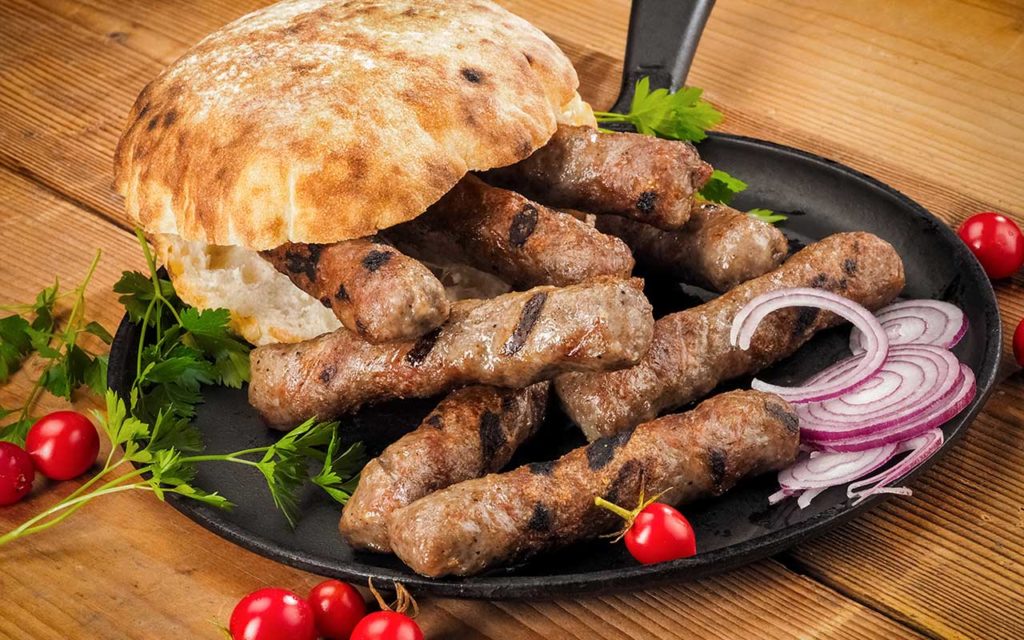
Croatian kitchen -brought the pork, potato stew with veggies and traditional Ćevapi the skinless sausages. Some recipes will be uploaded later, which we still consume to this day.

Slovenian foody – the braised cabbage is a regular food garnish to pork, lamb, poultry meat.Some recipes will be uploaded later, which we still consume to this day.

The Shnitzel – Austria entering Hungary’s gastronomy the famous fried meat: chicken breast, pork or turkey meat coated with flour – egg – breadcrumbs. Some recipes will be uploaded later, which we still consume to this day.

Jewish cuisine – the Jewish people of Hungary adapted  into their gastronomy delights the cholent which is a traditional Hungarian-Jewish stew, yet have many variations of fillings of the dish, which is standard in both the Ashkenazi and Sephardi kitchens. Ashkenazi-style cholent was first mentioned in 1180 by a Ribbi in Vienne. The Jewish and non-Jewish people of Hungary are fond of the dish. Some recipes will be uploaded later, which we still consume to this day.

© Aggie Reiter


Double-Decker Trains Rolling on the Tracks Back-and-Forth Budapest

 Those who take the train to the capital to work or participate in a program … here is the first double-decker train in Hungary.

Rail is one of the safest and most environmentally friendly modes of transport.

The Budapest-Nyugati-Cegléd-Szolnok train departed from Nyugati Railway Station at 6 am on March 15, 2020. Double-decker trains will run on the two busiest suburbs, Budapest-Nyugati-Vác-Szob and Budapest-Nyugati-Cegléd-Szolnok. The production of double-deck trains is provided by Stadler Bussnang AG. performs.

From April, passengers will be able to meet the new double-decker trains on the Budapest-West-Vác-Szob railway line. After March, there will be one more KISS pilot in April and May each, and in June another seven KISS will be tested. The 11th vehicle is due to start in August, and another 21-story power train will be available by the end of 2022.

Passengers are equipped with an age-appropriate passenger information system, air-conditioned spacious train with 600 seats. It will be equipped with three standard and can be used by a disabled sink, and 4 wheelchair, and 12 bike or 5 stroller can be supplied, as well as for Wi-Fi, mobile phones and laptops charging network connections, as well as state of the art camera system will have a multi-functional spaces.

Update Aggie Reiter

First in Hungary – Douglas Kirkland – Mythos and Legend –  Manor House @ Budapest

“Coco Chanel” and „An Evening with Marilyn Monroe”

by Douglas Kirkland

Viewable: March,17. – May, 10. 2020. – Open: Noon – 7 p.m.  

Hungarian House of Photography – Manor House @ Budapest

District, VI., 20. Nagymező Str. 

Douglas Kirkland (1934) known as photographer of film and stars in the 60s and made a name for himself with photos to the present day by photographing many Hollywood celebrities, such as the American actress Marilyn Monroe, Elizabeth Taylor and many other Hollywood legends.

In 1961, during one night, he recorded 55 shots of Marilyn Monroe for Look magazine. Of course, Marilyn Monroe has been the subject of countless photographs … not without being one of the greatest stars of the mid-20th century, but perhaps of all cinema. Even after so many years, Marilyn Monroe photographs are as delighting as she was when she first set foot in Hollywood. In 1961, Marilyn Monroe, 35, was at the peak of her career. With amazing successes (Some Like it Hot,  Gentlemen Prefer Blondes, Bus Stop,  My Week with Marilyn, Failures and Successes and so on. She filmed these films with private setbacks (three miserable marriages, including those with Joe DiMaggio and Arthur Miller) behind her. See, admire the “MovieVille” rare snaps of Marilyn Monroe.

Also can be viewed Kirkland’s series of 1962,  when he spent 21 days taken sixty episode of Coco Chanel. One of the  notable quotes:  … “Fashion fades, only style remains the same” by Coco Chanel. 

“French fashion designer and businesswoman born 1883-1971., was the founder and namesake of the Chanel brand. She was credited with the post-World War I era with liberating women from the constraints of the “corseted silhouette” and popularizing a sporty, casual chic as the feminine standard of style … (source wikipedia)

Kirkland have had been shooting more than 100 films and has been featured in legendary films such as 2001: Space Shuttle, Butch Cassidy and The Puppy Sundance, Far from Africa, Titanic or Great Gatsby. His works have been exhibited all over the world, from the National Portrait Gallery in London to the GeorgeEastman Museum.

The Manor House features a legendary series of two special women. These two grand series prove that Douglas Kirkland’s oeuvre is a unique treasure trove of Hollywood celebrities and pop culture for the past half century.

Locals and foreigners are mnore than welcomed to see the exhibition, if you are around rollinginbudapest. 

Update Aggie Reiter

PressRelease – St.Patrick Day – March,17. 2020.

This year on March 17, St. Patrick’s Day will be Black Tuesday for especially in Ireland. In many points of the world will be where also Irish descendants are from head-to-toe dressed in green along the dressing parade, rooms and greenish folks due to viral diseases. The celebration of this year, the huge cultural celebrations St. Patrick’s Festival will be missing the vibrant and dynamic showcase to be celebrated heritage, both traditional and contemporary due to viral diseases.

Huge festival will not take place, but most probably personally organized groups in greenish outfits will be seen on the streets of Budapest celebrating St. Patrick Day.

St Patrick, St Brigid of Kildare and St Columba are Ireland’s patron saints. St Patrick’s Day became a public holiday in Ireland due to the Bank Holiday (Ireland) Act 1903. It is also celebrated around the world, particularly in the United States, the United Kingdom, Australia, and Canada.


By Aggie Reiter

The 19th Syngenta Wine Competition Siófok – Lake Balaton

This slideshow requires JavaScript.

At the 19th National Syngenta Wine Competition Award took place at Siófok (Lake Balaton), were 555 wines, therefrom 313 white wines, 155 red wines and 87 roses – competed from Region of Zala to Tokaj. Most entries arrived from the Kunság, Tokaj, Villány and Szekszárd wine regions.

This year’s wine competition featured light, white, reductive, fragrant wines like Irsai Oliver and Sauvignon Blanc, but they also met beautiful Italian Riesling, Chardonnay wines.

To achieve excellent wines had to protect the plantations from the extreme weather conditions throughout 2019. Due to professional success, choosing appropriate products, green technology and efficient work on time bought the fine unique taste in the glass.

According to the jury’s decision, the best SynVino awards this year went out to the Tokaji Essence of Csubák Family Winery 2013, the Csanád Cuvée of Csaba Koch Vinart Winery 2015, the 2019 Gold Italian Riesling of Paulus Molnár Wine House and the St. Petersburg Wine Cellar Ltd. Winner. The Champion- SynVino Award and Gold medal, was recognized in rewarding the best rosé wine of the competition … Hungary’s Best New Wine of the Year Nero Rosé of Kiskőrös.

The Great Gold award was received by the Royal Tokaji Winery, the Csubák Family Winery and the Babits Winery Ltd.

Furthermore, the jury awarded 98 gold, 316 silver, 125 bronze awards and 8 producers were handed award certificates.

Update Aggie Reiter