Ronnie Wood – “Somebody Up There Likes Me” – Portrait film @ Hungarian Cinemas

Ronnie Wood – “Somebody Up There Likes Me” – original title  … on the Hungarian cinema poster the film title has a slight different: “Isten Tenyerén”“In the palm of God”

 October, 22. 2020. – Countrywide!

Mike Figgis  – musical documentary, which sets an intimate portrait film about the legendary Rolling Stones guitarist Ronnie Wood as a musician, artist.

The 82-minute film will be screened in the original language, with Hungarian subtitles.

The rocker, 72, had admitted that he “never got beyond 29” in his head and that he feels ‘cheated’ over life going so quickly. In the documentary Ronnie also discussed beating lung cancer in 2017 after 54 years of smoking 25 to 30 and claimed there were cigarettes days and made it to “get out of jail free card”!

The portrait features new interviews with Wood’s bandmates Mick Jagger, Keith Richards and Charlie Watts. It documents Ronnie’s rock and roll life from joining the music scene in the 1960s to working with the Jeff Beck Group, Faces and finally The Rolling Stones.

Ronnie the eternal survivor, will hit theaters across the country from Oct. 22. 2020. From the humble beginnings of a career as a leading musician in North London in the 1970s  as inspired by his older siblings to become a rock musician.  the film reaches the culmination of his fifty-year career working with greats in rock history such as The Birds. Jeff Beck, The New Barbarians, Rod Stewart, The Faces and of course The Rolling Stones.

Ronnie Wood will be all the way guiding the viewers through sincere confessions throughout his life story, his career in music and painting, also speaking to friends and colleagues such as Damian Hirst, Mick Jagger, Keith Richards, Imelda May, Rod Stewart.

The film can be seen in nearly twenty cinemas nationwide, in Budapest at the Pushkin, Toldi, Művész cinemas, Urania and Art + Cinema, as well as in several other locations, including Szeged, Debrecen, Szombathely and Miskolc.

Please bring a mask for the screening.

Recommender by Aggie Reiter
 

#11 Taste of Traditional Homemade Sweeties – Gundel Palacsinta – Pancake Gundel Style

The main trick with the Hungarian Gundel Palacsinta – Pancake Gundel Style is that soda water is added the bubbles adke the vbatter taste and feels very light.

The Central Eurpean pancakes are thin pancakes smilar t the French crépe. The Gundelk palacsinta is filled with walnut cream and covered with chocolate sauce and at the end a touch with rum on top and flambe it then lighten with a match and it is an attraction seeing as the alcohol burns and extra burn the chocolate and it is more delightful to see and then taste it… it is so yummy.

They may also be eaten plain, filled with cheeses or with veggyies, such as mashroom, spinach, topped with sour cream. Some folks here instead of instead of vermicelli pasta within the soup, like to cut the aked pancake into thin strips and place it in the chicken soup as a filling. The pancakes may also be eaten sweet and unsweetened or savoury as a main course… such as filled with grounded meat namely “Hortobágyi Palacsinta” (soon to be followed up here as well!)

Ingredients for 4 person having 8-10 pices. Preparing time cca. 35-40 mins.

Pancake: 150 g flour, pinch of salt, 1 egg, 250 ml milk, 1/2 tabs sugar, 50 nl soda water (water with gas) oil to bale.
Chocolate sauce: 50 g cocoa powder, 200 g sugar, 200 ml milk, 1 or 2 tbs rum.
Filling: 1- 2 tbs rum, 200 g ground walnut, 100 ml milk, 120 g sugar, 1 tbs cinnamon, 1 tbs raisins.
Prepairing for baking: In a bowl whisk the egg with sugar, the milk and the salt. Add enough flour … spoon after spoon … to form a very thick paste. Come the soda water by adding some into the paste while mixing and stringing. Let is rest for cca. 15 mins. Add a half cup of water, then stir it well again. Continue untill it gets crreamy batter, then add some more soda water, so a smooth vbatter, medium thick but still liquid. Using a pancake pan to fry the palacsinta. Pour half ladle of batter in the hot pan. Brush the pan before each palacsinta with oil. No oil left in the pan, remove it and bake on both sides.
Sauce: mix cocoa powder with sugar. Pour in milk slowly. the choco powder and sugar completely must dissolve. Place on the fire and let it thicken a little. Season with the rum.
Filling: Mix the grounded walnut, sugar, cinnamon and raisins in a cooking pan. Add a little milk and the rum, then heat the mixture until it became a creamy sauce. Chill and add the rum. Fill the pancakes with custard.

After the Goulash, Mushroom paprika with Dumplings “Gödöllő” Style Stuffed Chicken and other  traditional Hungarian roasts, the foreigners previously visiting Hungary would not miss to taste one of the most loveable Hungarian sweetie.

Once you bake it you will probably bake it more often.

Enjoy this  Hungarian Gundel Pancake – Gundel Palacsinta delicacy.

© Aggie Reiter

“Balloon” –  Pema Tseden – Tibet –  Documentary coming to Hungary

Capture Life in Modern Tibet.

Director: Pema Tseden – Writer: Pema Tseden – Stars: Sonam Wangmo, Jinpa, Yangshik Tso.

Tibetan film “Balloon” will be screened for the first time in Hungary. Before the premiere will be screened at the Apollo cinema @ Pécs October, 15. 2020. Nationalwide premieres is to be in November, 12 .2020.

The “Ballon” film already earned 13 wins & 20 nominations.  Pema Tseden films also have been recognized internationally, but most notably for garnering top honors in China including a Golden Rooster Best Directorial Debut Award (for The Silent Holy Stones) and a Shanghai International Film Festival Jury Grand Prix (The Search).

Pema Tseden is the first director in China ever to film movies entirely in the Tibetan language. Also first-ever film made in Tibet to have been shot entirely with a Tibetan crew. The movie speaking in Mandarin language (due to the last-minute unavailability of an Amdo Tibetan translator), but in the Hungarian cinemas will be Hungarian subtitles.

On one level, the film reflects a search for Tibet’s disappearing culture.  It is a dilemma between the soul and  reality. The trick with the  “Balloon” film is that, like all the things that come from strongly traditional culture. Tibet has always been mythologized and worshipped, and People’s psychological expectations, experiences of Tibet are stuck in the past and it has to be taken as it is. The films focus on the basic condition of people in Tibet, as well as their basic emotional life. The film is quite impressive due to beautiful locations like wide open spaces and mountain landscapes, but also thanks to Lu Songye’s sure-handed camerawork.

The director Pema Tseden once said that Tibet has always been mythologized and worshipped, and made more remote. People’s psychological expectations and experiences of Tibet are stuck in the past. They don’t understand the new Tibet.

Perma Tseden – director and author – has received numerous literary awards and his works have been translated into English, French, German, Japanese and Czech.

Journey Through New Tibet – in a nutshell: A family struggles against the conflicting dictates of nature, spirituality, politics, and free will. Synopsis … Dargye and his wife, Drolkar, are involved in animal husbandry in a hidden corner of Tibet. Of their three boys, only one is a schoolboy, the other two are helped by their grandfather. However, a small misunderstanding will break the harmony of the family and they will face awkward complications. For the young couple must you decide: to continue their lives according to Buddhist teachings or the values dictated by modern society?

This is a sensitive issue, since the exiled Tibetan leader, the Dalai Lama, has accused China of “cultural genocide” since it occupied Tibet in 1951.  “The Search” – Pema Tseden’s latest film, won the Grand Jury Prize at Shanghai‘s recent International Film Festival and is slated to be shown at the upcoming Locarno film festival in Switzerland.

The film has an open ending … A  bit exotic and hard to follow for those not quite acquainted with the traditions … anyway worthwhile not to miss this movie.  

© Aggie Reiter

National Fine Arts Film Days @ the Capital & Szeged, Debrecen

A special selection of programs coming within the series of the popular Temple of the Arts @ Budapest and also at the Cities of Szeged and of Debrecen between October 14 – 21. 2020.

Masters, Museums, Art Collectors on the cinema screen.

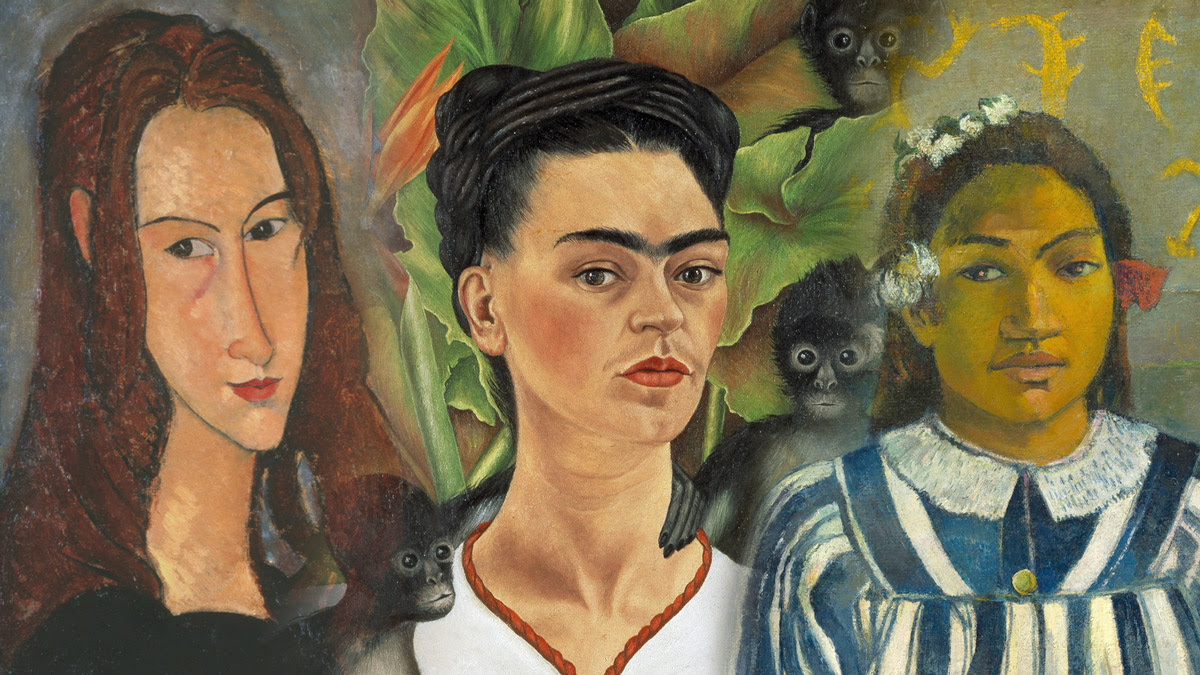
Including to  the National Fine Arts Film Days, the most popular earlier parts of the series return to the big screen.  The latest episode featuring Amadeo Modigliani’s career debuts at pre-premiere screenings.

Valeria Parisi‘s new film, entitled Centennial Modigliani will be screened in the Urania Cinema @ Budapest on October, 22. just for a week at Art Cinemas across the country.

The film reveals Modigliani’s artistic career as a hitherto unknown point of view and his scandalous, bohemian and tragic private life. The memoirs of his love and partner, Jeanne Hébuterne, who committed suicide two days after Modigliani’s death.

There are  venues of Modigliani’s career, including Livorno, Florence, Venice and Paris, the center of the art world at the time, come to life on special archival footage, and the detailed frames of the series also feature millions of works of art on the canvas. The film reveals the treasures of renowned institutions such as the Albertina in Vienna and the National Gallery in Washington, the exhibition at the Livorno City Museum and significant art collections in Paris.

During the program of the Film Days cannot be missing the most successful works of previous seasons screened at major cinemas throughout the country in the frame of the “Temple of Art” films, including the first episode of the series, the Vatican Museum and the Sistine Chapel, as well as the history and magnificent collection of the Prado Museum – Madrid and St. Petersburg Hermitage, Hokuszai, Paul Gauguin, Frida Kahlo, Salvador Dali are also films showing the life and art, lesser-known works of Impressionist masters. Related to 20th century modern art, three special documentaries were also included into forthcoming Fine Arts Film Days program.

Already screened portrait film (who did not have a chance to see it, may do it) of Peggy Guggenheim, the best-known collector and patron of modern art, Obsessed with Art, an art-persecuted Nazi dictatorship and an investigation into stolen art treasures, will be screened on October, 15. 2020. – Urania Cinema – Budapest.

The new award-winning American documentary Bauhaus, about the life and heritage of László Moholy-Nagy, a world-famous photographer, constructivist painter, designer and outstanding teacher of the Bauhaus school, born 125 years ago, still today inspires the creators.

A II. National Fine Arts Film Days are organized in cooperation with Pannonia Entertainment, the Urania National Film Theater, the Apollo Cinema and the Downtown Cinema, with the support of the National Cultural Fund.

Recommended by Aggie Reiter

#10 Taste of Traditional Homemade Sweeties – Sour Cherry Pie – Meggyes Pite

After a heavy day in baking the Beigli here is an easy  cake to bake … namely the Sour Cherry Pie – Meggyes Pite

In the Northern Hemisphere the season of bloosoming cherry trees fell to rest, lucky those living in the Southern Hemisphere, cause they may bake with fresh cherries. We love them because they’re tasty, not to mention they have some awesome health benefits, too! Weather is off-season, you can use frozen unsweetened tart cherries, they will just take longer to cook down or the canned  sour or sweet cherries.

Just a hint, the sour cherry is also called tart cherry or wild cherry or even morellos  known closely related to the sweeet cherry, flesh of the fruit being softer and more acidic, therefore it is better for cooking and for pastry.

Fresh cherries are available for only a few months a year, but then get out of your deep freezer. Getting tired of these long cold grey and dirty days of long, drawn out Winter-Spring. Just pick the frozen, pitted, gorgeous sour cherries or sweet cherries or get the canned form of cherries. Time for a cherry pie bake something colourful, light and tasty.

No need to invent the Sour Cherry Pie – Meggyes Pite, cause this is a great recipe to give it a try and simple as 1-2-3.

A pie itself is an ultimate dessert. It is simple and tasty shortcrust pastry with any sweet seasonal filling. If in use other  fillings take the same amout of fruit as indicated below of apple weight.

Ingredients – preparing time cca 120  mins.

For the shortcrust: 500 g flour, 250 g butter, 125 g icing sugar, 24 g (2 packets) vanillia sugar, 10 g ( 1 packet) baking powder, 1 egg +1 egg york, 1-2 tbs sour cream, pinch of salt.

For the filling: 1 kg pitted sour cherry (if fresh is available) or the same amount of frozen or canned. 200 g icing sugar,60 g  breadcrumbs or grated walnuts, 1 egg york for coloring the top, icing sugar to serve (it looks good and taste good with it).

Baking process: Cruble the butter with the flour and the baking powder, add the icing sugar and  vanillia sugar. Add the eggs, the egg york, a pinch of salt and the sour cream. Knead the pasta quickly and  form 2 halves from it. Wrap it in foil and let it chill and rest for an hour in the fridge. Whikle the pastry rests, mix the sour cherry and the icing sugar. Line a baking pan with baking paper. Roll out the pastry into 2 sheets, fitting in the baking pan. Place one of the pastry sheets in the pan, sprinkle it with the breadcrumbs or walnut and spread the sour cherry on it … (if you use canned cherries then strain the juice beforehand).Place the2nd sheet on the top and form the sides. With a fork prick the surface. Brush the top with the egg york and bake it until it becomes slightly brown, it may take 50-60 mins. Leave it in the pan until it  chills before slicing the  pie.

Depending on taste, there are variations for the filling … poppy seed(grounded, caster sugar milk … cottage cheese sour cream, custer sugar) … apple (grated squeezed apples).

Depending on taste the width of pie … some like it with more filling, some like it with more pastry, it’s up to you. Enjoy the mouthwatering flavor in your tasting buds!

© by Aggie Reiter


Countdown … Worldwide John Lennon Virtual Celebration


A notable occasion is approaching, John Lennon would be 80 years old.

This coming weekend will be very busy for “The Bits” and all Beatles fans as well. Thanks to the We Love The Beatles Facebook page the world’s big shoot to join the video premiere.

On John Lennon’s 80th birthday we celebrate his works with his bests songs from special guests and the best Beatles tribute bands from all over the world. Join the free event and stay tuned for the free video premiere!

Within the free online event over 60 artists from all over the World commemorate the works of Lennon’s best songs.

The Bits band will also be attending the worldwide commemoration of John Lennon’s 80th birthday.  May also celebrate “come together” by joining the event and following the festive video sharp at 9 p.m. –  October, 9. 2020. – Budapest.

The live video premiere will be aired London 8 p.m.(GMT) – New York 3 p.m. – Los Angeles 12 p.m. –  Berlin 9 p.m. – Tokyo 4 a.m. (October 10)

#JohnLennon80Celebration

On the day after John Lennon’s birthday, Hungarians can celebrate live John’s best compositions held by The Bits band. The special concert will also feature Lennon songs – Worldwide John Lennon Virtual Celebration.

A special concert will also feature Lennon songs by The Bits – the Beatles tribute band playing Beatles songs live on
stage sticking to the original English lyrics and the sound, vocals and feeling hence recreating the ’60s Beatles feeling. This will be a special concert dedicated to John Lennon.

Save the Date and Time: October, 10. 2020. – 8 p.m.
Location: Muzikum Klub – District, VIII. 7. Muzeum Blvd. – Budapest

Ticket price in advance: 2000HUF (through online) –  On the spot 2500HUF

Due to Covid restrictions, please adhere to Muzikum’s regulations to enter the concert.

Recomandation by Aggie Reiter

Railway History Park – Sausage Fair – Oldtimer Show – Budapest

Friday Noon – 7 p.m. – Saturday 9 a.m. – 7 p.m. – Sunday 9 a.m. – 6 p.m.

Location: District XIV., 95 Tatai Rd. Budapest

Between October, 9 – 11. 2020. for the 7th time at Budapest will be held the Sausage Fair at the Hungarian Railway History Park together with the international Oldtimer Show exhibition as the largest oldtimer exhibition in Central and Eastern Europe. Larger cars will be on display outside the circular fuel house to see the exhibition of the USA Oldtimer Cars.

Due to the current virus situation, the event will be introduced this year several precautionary measures following the current epidemic preparedness, and organizers seek cooperation of the visitors coming along to have to wear a mask that covers the nose and mouth as well and also keep a 1.5-meter distance from each others.

The Oldtimer Show with the Sausage Fair will be a combined festivals. Local and foreign guests are awaited to enjoy their stay. On Gastro streets  huge sausage booths, oldtimer vehicles and family activities. Nostalgia music and railway programs.

At a 10 hectares of Budapest Railway History Park and the adjacent Water Tower Park will be fully furnished with attractions. There’s free passage between the two parks. There may choose from 200 types of traditional rural type sausages and very Hungarian stuffed meat called “hurka” (black pudding & liver pudding) sausages, bacon and all kinds of pork chops. There’ll be freshly baked cracks on the spot.  Will be to shop homemade cheeses, spices, jam, honey, bugle cakes and all kinds of handmade traditional dishes.

At entrance 1, on the cobbled “Craft” street, representatives of old crafts sell their wares. Next to the platforms will be “Fairground”.

At the large park is built the ancient locomotive circular heating house. The halls of the Orient and the West will be furnished with beautiful oldtimer  cars and motorbikes. . Larger cars will be on display outside the circular fuel house: USA Oldtimer Car Exhibition.

The area around the Ornamental Fountain is definitely worth visiting for gastronomic lovers!

In the grassy arbor there will be a large open-air restaurant where can eat fried sausages, fried “hurka” sausages and all kinds of pork-toed dishes freshly baked. At the curve of the ornamental fountain area can buy well known pálinka, wine and homemade beer at the wooden houses. The Sápi fruit wine stand will also be here. The tradition at our festival is that anyone who comes in old-age clothes gets a fruit wine tasting as a gift. Take part in this nostalgia game! There will also be built a large restaurant in The Water Tower Park, where you can also eat freshly baked pork chops!

All interactive programs of the Railway History Park will be available at the festival: hand cars, horse railway, rail car, locomotive rotator and garden railway on a 800m long track. On the railway tracks around the 1-gauge rotor, you can see a fantastic steam locomotive exhibition! Around the double rotary engine will be wagon exhibition. For the weekend of the festival, we also heat up a real steam locomotive, which can be tried by the visitors!

The festival will feature free games for the children: archery, airsoft shooting, air slide, bungee, face painting,playground, petting zoo and many other attractions.

Tickets will be available on the spot during the opening hours for cash and credit cards. Ticket price for adult ticket 5000HUF, children’s ticket 4000HUF (under 14 years, and for under 3 years free of charge), family ticket 14000HUF (2 adults + 2 children), pensioner ticket 4000HUF, Friday ticket price 4000HUF

Tickets can also be purchased in advance online by clicking on https://www.oldtimershow.hu/oldtimershow-jegyertekesites/

All tickets are a daily ticket and valid only for a one-time entry. Warning! Food and drink are not allowed to carried in the festival area.

recomendation by Aggie Reiter

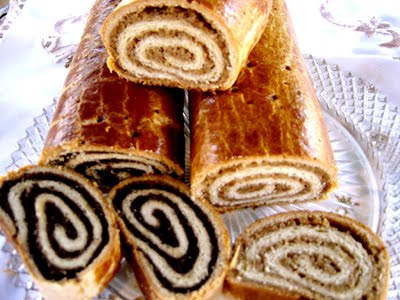
#9 Taste of Traditional Homemade Sweeties – Beigli – Walnut/Poppy Pastry Roll

Beigli – Walnut/Poppy pastry roll
 
 
“Q” From where did the Beigli became a custom in Hungary and when? Beigli originates from Germany. Was in the 19th century during the Austro-Hungarian Monarchy.
“A” Beigli originates from Germany and in the 19th century during the Austro-Hungarian Monarchy became as indeed on one the real traditional Hungarian poastry.
 
Beigli is an authentic Hungarian pastry roll, also well known and popular in parts of Central – Eastern Europe and for sure in Israel.
This is a traditional food in Hungary which floats around at many kitchens at home and families have their own recipes. The beige is open to all fillings … with county-poppy, candied fruit, quince-nut, apple-cinnamon-cocoa, poppy-orange peel, plum jam, chestnuts, coconut, blueberry jam, dried peach nuts, rum-dried plums just to name a few.
The dough can either be risen dough … as here below … or crumbly dough. Some recipes call for cooking  the filling in milk,others simply direct to mix it with grated apple for added moisture. Beigli is a cake that keeps very well for days  or even for a couple of weeks.
 
Most pastry shops, patisseries and grocery stores sell Beigli, especially during the season at Xmas, but during any time of the season the begli is a treat having with a cuppa tea or coffee.
 
Before taking the road to bake the Beigli … it’s good to know … can give it a try to your hands, this is probably not a pastry for the beginning baker. If you have some experience baking things at home, though… you will be up for a challenge, but by the end certainly be rewarded for the awesome taste by family members.
 
Recipe: for 2 rolls … cca 8 servings … preparing time cca. 120-150 mins. (may sound longtime in baking a Beigli,  but time slips away so quickly as preparing and baking, not to mention enjoying the fantastic smell fulfilling the whole kitchen from the Beigli.
 
Ingredients:For the Dough:  330 g flour, 130 g butter, 30 g icing sugar, a pinch of salt, 50 ml milk, 1 egg york plus 1 egg separated, 20 g fresh yeast.
For the Filling: 150 g ground walnut or poppy seed, 4 tbs icing sugar, a handful of soaked raisins, 1 lemon zest, 200 ml milk.
 
Baking process: Place into the lukewarm milk the yeast and a tbs of sugar into a larger bowl and leave it for a few mins  till it is risen. Crumble the butter with the flour then add the salt, sugar, egg york and the milk with  the yeast. Mix it well and knead. If it goes too tough then mix it with  more warm milk into it. Let it rest for cca  half-an-hour. Then in the meantime can make the filling. Bring the ground walnut … or the ground poppy seeds … with milk, raisin, lemon zest and the sugar to a gentle boil, do not overheat, but it should not be too liquid.  Getting back to the dough now, divide the dough into 2 equal parts and start to roll out to a rectangle shape. Separate half of the filling to one dough, threnafter fill the other dough. Roll it up, start from the wider side. Seperate the eggs. Use a brush the surface with the egg york. After having it dried, then brush with the egg  white. Make a couple of holes on the top then place it into the oven of temp 180 C degree for cca 20-30 mins. The pastry will get a shinning brown color that will also open the door for the appetite. It has to be cooled down before slicing.
Bet your cake became delicious … enjoy every piece of it.
 
© by Aggie Reiter
 
 
Mentes a vírusoktól. www.avast.com

#8 Taste of Traditional Homemade Sweeties – Hungarian Krémes = Creamy

Traditional Hungarian Krémes = Creamy (a.k.a. Vanilla Slice )

The traditional krémes recipe is dating back to the end of the 16th century. The initial recipe did not resemble the known Krémes recipe. Since the 1930s the recipe did not change much but the form we know now-a-days developed in the 19th century. The history of the kémes goes back and appeared in 1840 in a cookbook published  by István Czifra suggested making the custard with cream, flour, egg yolk, vanilla, sugar, and butter, and placing it between two layers of dough.

In Hungary the krémes are so popular cake that it can be found in every Hungarian confectionery.

The Hungarian version of the famous cremeschnitte goes under the name Krémes, meaning Creamy. It combines two layers of puff pastry held together with a generous amount of smooth pastry cream. Though the recipe has been slightly modernized, the classic krémes pastry cream should be light and airy, while the top is usually dusted with powdered sugar. Traditionally served cut into large, rectangular slices, the dessert is a Hungarian classic and a staple at numerous pastry shops throughout the country.

Hungarian vanilla custard, layered between crisp, flaky slices of pastry, finished off with a generous sprinkling of powdered sugar make up this delicious sweet treat, which is a favorite dessert across the country. Many folks buy it at confectionery for after  Sunday’s lunch not to fiddle with cooking lunch and then to bake rétes. It is siply perfect  with a hot cup of coffee and is one of the most delicious, to mention as popular, Hungarian cakes.

Recipe: Ingredients: Vanilla infused milk:2 cups milk, 1 vanilla pod

Flaky pastry: 1-1/2 cup + 1 tbs flour, 3/4 cup chilled hard margarine, 1 pinch of salt, 4 Tbs cold water, 4 tsp vinegar.
Custard layer: 8 egg yolks, 1/2 cup sugar, 1/3 cup + 1tbs flour, 2 pkg. or 2 tsp real vanilla sugar, 3 pkg. gelatine (21 g), 1/4 cup unsalted butter, 8 egg whites, 1/2 cup sugar, 1 tsp fresh lemon juice, thermometer is essential. For the topping: 1/4 cup icing sugar.

Baking: Make the vanilla infused milk first. Heat the milk in a saucepan. Scrape the seeds from the vanilla bean into the milk with a paring knife, and add the bean pod to the milk. Cover, remove from heat, and infuse for one hour. Next make the flaky pastry. In a large bowl crumble the flour and the chilled margarine to fine crumbs.Mix in the salt. Place the cold water and the vinegar in a small dish. Pour the liquid over the pastry crumbs. Stir to combine and gradually form a rough ball. Generously flour a board and roll out the pastry into a thin rectangle. Roll up the pastry and divide into 4 parts. Roll each division into a thin rectangle. Stack the four rectangles on top of one another. Chill for twenty minutes. Divide the chilled pastry into two equal halves. Roll out the first pastry very thin. Fold it in half and place the folded edge in the middle of the 9X13 baking pan. Unfold and arrange the pastry with deep folds as in the photo. Let the dough go up the sides halfway, pastry will shrink during baking. Place in a preheated 400F oven for 14-18 minutes. Keep a watch, pastry burns easily. When the pastry is golden brown, remove pan from the oven. Immediately cut pastry into twelve squares. Divide the long side by 4 and the short side by 3. Wait a few minutes and very carefully remove the squares and set them aside in the same order as they were in the pan. These will go on the top later. Roll out the remaining dough and arrange it in the baking pan as before. Bake the second pastry sheet and set it aside. This will be the bottom of the krémes. Next make the custard layer. In a medium sized bowl beat the egg yolks and 1/2 cup sugar for 8 minute. In a separate bowl whisk together the flour, gelatine and the vanilla sugar. Gradually add the flour mixture to the beaten egg yolks and beat until smooth. Remove the vanilla pods from the vanilla infused milk. Gradually add the vanilla infused milk to the bowl with the eggs and the flour. Transfer custard to a medium sized pot. Attach the candy thermometer to the side of the pot so you can keep an eye on the temperature. Over medium heat and continually stirring heat the custard. Do not let custard heat beyond 80 C degree – 176 F for this recipe. When the custard reached 80C degree remove from heat. Stir in the butter and set aside. While the custard is cooling whip the egg whites. With clean beaters beat the egg whites until soft peaks form. Add the lemon juice and beat until almost stiff. Add 1/2 cup sugar and beat until very stiff and shiny. Very slowly and gradually, gently fold the custard into the stiff egg whites. Pour on top of the bottom pastry layer and place in the fridge. Make sure the pan is level on the shelf. When the gelatine is beginning to set, place the pastry squares on the top. Let the krémes chill thoroughly. Before serving generously sift icing sugar on the top. Cut the slices between the pastry squares.

Good to Know: The mouthwatering Krémes – Creamy conquered Europe.  Dr. Oetker published similar recipes in 1935, where the cream was made with vanilla pudding instead of flour: Creampie or Cream Slice. Pudding became very popular in use, however, the original Krémes recipe is made with flour.

The krémes is also quite popular in other Central European countries. In Poland they are known as kremówkas, Slovakia call them krémeš, in Slovenia they go under the name of kremne rezine, Croatians use the name kremšnite, while Bosnians, Serbs, and Romanians have a term krempite.

© by Aggie Reiter

#7 Taste of Traditional Homemade Sweeties – Apple Strudel – Almás Rétes

Apple Strudel – Almás Rétes – An authentic Hungarian pastry

“Q” What stands for  the Hungarian Rétes (Strudel) ?

“A” Shaped pastry filled with a sugared fruit.

“Q” With what fillings may bake  the Rétes?

“A” Layered embankments that can only be limited by imagination.

“Q” What are the most popular Hungarian fillings?

“A” Apple, cottage cheese, sour or sweet cherry, plum, poppy seed and mixture of fruits.

“Q”  Are there only sweet strudel – making a traditional Rétes in Hungary?
“A”  No, there are salty ones as well being baked for a long time. The filling can be with cabbage, mashroon, purple strudel with red wine, pumpkin-cottage cheese strudel.

You can’t get enough of any fillings of the Strudel Dough – Rétes!  Hungarians love it any time of the day. The family will surely be happy for you if you make alot with all the variations.

Ingredients:
For the Strudel Dough: 2 cups all-purpose flour 1 cup sour cream 1 tsp vinegar 1/4 tsp salt 2 large egg yolks (room temp) 1 teaspoon baking powder 1 tbs butter (melted) 1/2 cup warm water. Melted vegetable shortening: 1/2 cup bread crumbs. Steps to make the Strudel Dough: In a large bowl, blend flour, sour cream, vinegar, salt, egg yolks, baking powder, butter, and water. Knead for about 30 minutes. (The dough should be light and very smooth.) Cover and let rest for an hour.

For the Apple Filling: 10 large Granny Smith apples (peeled, cored and thinly sliced) 2 cups sugar (or to taste) 1/2 tsp salt, 20 dkg melted butter. Splash of lemon juice. Optional: 1 tbs cinnamon. Steps to make the Apple Filling: Mix together thinly sliced apples, 2 cups sugar (or to taste), 1/2 tsp salt, 1 tbs optional cinnamon, 20 dkg melted room-temp. butter and a splash of lemon juice. Raisins and ground walnuts can be added, if desired. It will be extremely tasty.

Refrigerate, if not using immediately, but let it come to room temperature before filling the strudel dough. If a lot of juices have accumulated at the bottom, pour them off before placing on the strudel dough.

Assemble the Strudels: Cover a large table with a cloth and sprinkle it lightly with flour. Place dough in the center and roll it to about 1 inch thick.

Now almost ready to bake the Apple Strudel  – Almás Rétes!

Now flour your hands lightly. Place hands, palms down, under the dough and stretch gently in all directions toward the edge of the table. While stretching, ease dough by lifting it gently. Be gentle to prevent tears!

When stretched to the thinness of tissue paper, trim off the thick edges (this can be kneaded, rolled and cut into noodles). Spread dough with melted shortening. Let dough rest 10 mins.
Sprinkle entire surface of dough with bread crumbs. Place apple filling all over the entire surface of the dough.

Preheat oven to 190C degree (375F.)Use the cloth to roll the strudel away from you. Cut into two strudels. Tuck in the ends. Place on a parchment-lined baking sheet and brush the entire surface of strudel with melted butter.

Bake 30 mins or until flakes start to separate and strudel is shiny and golden brown. Transfer to a wire rack to cool slightly. Cut into slices and serve slightly warm. Depending on the fillings and taste, may add with ice cream or whipped cream.

© by Aggie Reiter